Who it is for — and who should look elsewhere
The FLEXTAILGEAR MAX Pump 2 is a palm-sized rechargeable air pump aimed at sleeping pads, air mattresses, and other low-volume inflatables. If you are tired of blowing up a pad by mouth at the end of a hike, this is the kind of gadget that earns its place in a pack. It is not a tire inflator, and it is not built for high-pressure work like SUP boards or car tires — the listing does not publish a max PSI, and the form factor points to low-pressure fills only.
So the buying question is simple: do you need a tiny, packable pump for camp comfort, or do you need something that can hit 35 PSI in a passenger tire? This review is for the first shopper. If you are the second, skip to a 12V inflator or a cordless tire tool — the MAX Pump 2 will not get you there.
- Suits: backpackers and car campers inflating pads and mattresses
- Skip if: you need tire inflation, high-pressure SUP fills, or published PSI ratings
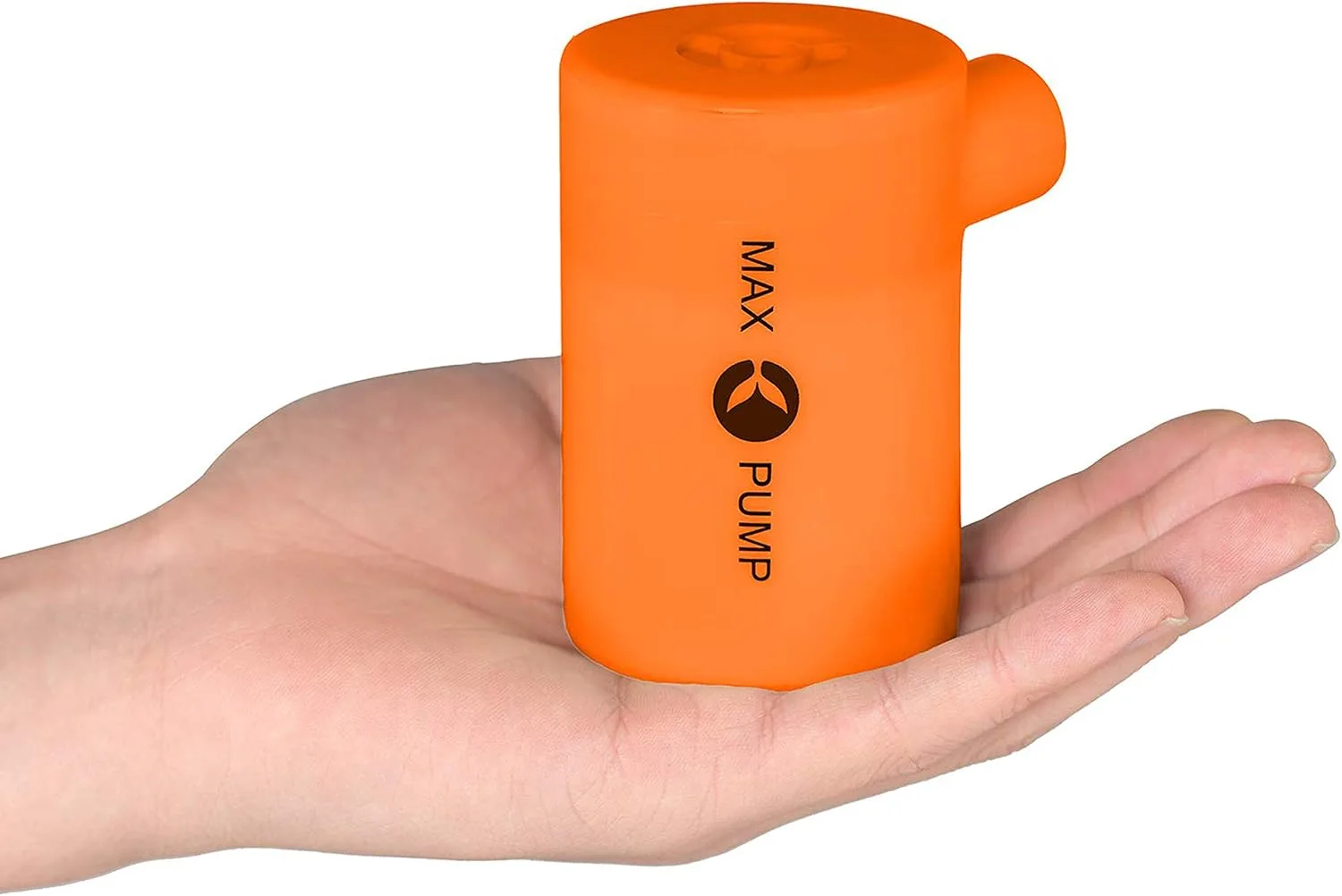
FLEXTAILGEAR MAX Pump 2
Highlights
- Camping mattress / sleeping-pad pump
- Electric pad inflator
- High-volume low-pressure fill
- About $29.99 list
Best for
- Sleeping pads and camping mattresses at the tent site
- Packable air beds / camp pillows that should not need lung power
- Weekend campers who want electric fill without a heavy compressor
Pros
- FLEXTAILGEAR high-volume blowers beat mouth-inflating a full pad
- Electric fill is faster than a foot pump for thick mattresses
- Simple workflow: connect, fill, quit before the pad feels drum-tight
- Low enough list price for a seasonal spare in the stuff sack
Cons
- Not a tire or SUP high-pressure pump — fittings and PSI class differ
- Easy to overinflate a pad if you walk away from a running blower
- Corded / vehicle power can be awkward far from the car
- Expect more noise and slower fill than premium camp pumps
Specs that matter — translated from the listing
The only concrete number on file is the rating: 5 out of 5 from 4 ratings. That is not enough volume to call a trend, and I will not pretend otherwise. Treat it as a faint signal, not proof.
- Weight: n/a (not on file) — the listing does not publish a weight figure. For a pump marketed as packable, that is a gap. I would not guess; carry a kitchen scale to the return window if grams matter.
- Max PSI: n/a (not on file) — no pressure rating is listed. That tells you this is a low-pressure inflator for pads and mattresses, not a tire pump. Do not assume it can top off a car tire.
- Flow rate / fill time: n/a (not on file) — no CFM or L/min figure is published. Owner feedback is too thin to estimate fill speed reliably.
- Power: rechargeable (listing) — the listing describes a built-in battery, but capacity in mAh or Wh is not published. Runtime per charge is therefore unknown.
- Noise: n/a (not on file) — no dB rating. Small pumps of this type tend to be audible but not deafening; without a published figure, treat noise as an open question.
Which numbers actually decide the purchase
Because four of the five are missing, the purchase decision leans heavily on the one thing the listing does say: it is small, rechargeable, and aimed at pads. If that matches your use, the missing numbers may not matter. If you need certainty on weight or fill time, this is not the listing to buy from.
- 1. Max PSI (if published) — decides whether it can handle your pad's valve and firmness. Missing here, so you are buying on faith.
- 2. Fill time / flow rate — the difference between a 30-second pad fill and a two-minute chore. Not published; owner reports are too sparse to fill the gap.
- 3. Weight — for backpacking, every ounce counts. Not published, which is the biggest red flag for the ultralight shopper.
- 4. Power / runtime — a rechargeable pump that dies mid-trip is dead weight. Battery capacity is not listed.
- 5. Noise — matters in shared campsites, but secondary to the above.
Numbers that mislead — or cannot be compared
Two traps here. First, the 5-star rating from 4 ratings. A perfect score on a handful of reviews is not a quality signal; it is a sample size problem. Do not let it stand in for missing specs.
Second, the absence of a max PSI figure is easy to misread as 'works for everything.' It does not. Pads and mattresses inflate at low pressure; tires and SUPs need much higher. Without a published PSI, you cannot compare this pump to a tire inflator or a high-pressure board pump on equal terms. The categories are different, and the listing does not bridge them.
What the data does not say
The biggest gap is weight. For a product sold on packability, not publishing a weight in pounds or grams is a real omission. I will not invent one. The same goes for battery capacity, fill time, and noise. Owner reviews are too thin — four ratings, no review text on file — to answer these questions secondhand.
If you need those numbers before buying, your options are to check the manufacturer's product page directly or buy from a retailer with easy returns and weigh it yourself. I would not fill the blanks with guesses.
Trade-offs and cons
The main trade-off is capability for size. A pump this small will not move much air, and the listing does not claim otherwise. The cons are mostly about what is missing: no published weight, no PSI, no flow rate, no battery capacity. That makes it hard to compare against a known pad pump or a tire inflator.
On the plus side, the rechargeable format means no cord and no hand pumping. For car camping or a short backpacking trip, that convenience is the whole point. Just do not expect it to double as a tire inflator — it will not.
- Con: no published weight — a problem for ultralight shoppers
- Con: no max PSI or flow rate — cannot verify fill performance
- Con: battery capacity and runtime not listed
- Pro: cordless, rechargeable, and small enough for a pack
Decision: buy or skip
Buy the FLEXTAILGEAR MAX Pump 2 if you want a tiny, cordless pump for sleeping pads and mattresses and you are willing to accept the listing's missing specs. It suits casual campers who value convenience over documented performance.
Skip it if you need published weight for backpacking, a PSI rating for tires or SUPs, or verified fill times. In those cases, look for a pump that lists those numbers — or step up to a dedicated tire inflator if that is the real job. The MAX Pump 2 is a comfort gadget, not a roadside tool.
What owners report
Owner feedback is thin: the listing shows 5 out of 5 from 4 ratings, with no review text on file. That is not enough to summarize themes or quote reliably. I will not invent owner sentiment. If more reviews accumulate, the useful themes to watch would be fill time on a standard pad, battery life over a weekend, and actual weight on a scale.
How we checked this listing
I am the tire-pressure and roadside editor at PumpGauge, and I treat listings the same way I treat a gauge: read the numbers, note what is missing, and do not fill gaps with guesses. For this review, I pulled every published spec from the product listing, marked missing data as n/a, and checked owner reviews — there were none with text. No independent testing was performed. The rating is reported as listed, not as a lab score.
Who should skip the MAX Pump 2
Skip it if you are shopping for a tire inflator, a high-pressure SUP pump, or anything that requires a published PSI rating. Skip it if you are an ultralight backpacker who needs a weight in grams before buying. And skip it if you need verified fill times or battery runtime — the listing does not provide them, and owner feedback is too sparse to fill in the blanks.
Method and sources
This guide is built from product data and list prices pulled from Affiliate Hub at build time, together with owner feedback we summarize on the cards. It is catalog-backed buying help, not a lab ranking of every model.
Read how we test for the protocol behind any measured figures we still cite in Guides & Tips.